Discovering Calabria
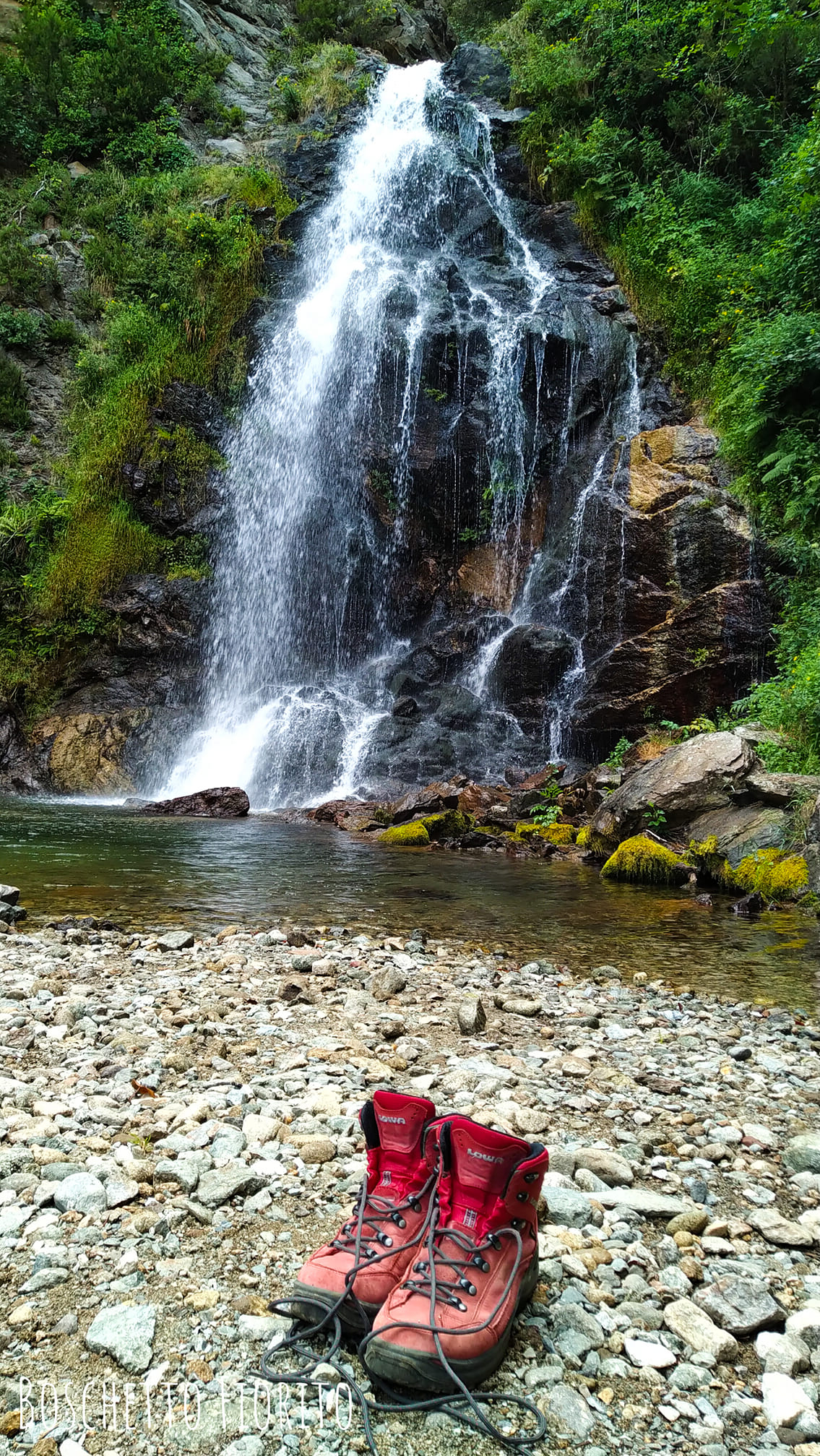
National Geographic describes the toe of the boot as “the most delicious secret of Italy”. Calabria, keeper of ancestral treasures, is immersed in art, history and wild nature. From Villa Clelia our guests may explore places of great historical and artistic interest in collaboration with certified guides. Unforgettable excursions can be made to discover that natural wonders of Aspromonte National Park (part of UNESCO Global Gioparks). The unrivaled splendor of the easily accessible Ionian Sea with its clear water and pristine beaches has once again been awarded the Blue Flag, an international symbol of quality beaches, sea and tourist ports.
Guests can take long walks on the estate, relax in the shade of the patio, sunbath in the privacy of the gardens or swim in the beautifully landscaped pool. It is possible to rent bikes and e-bikes for excursions to the coast or nearby mountains. An accredited teacher is available to guests for individual Hatha Yoga lessons and Yoga meditations in the gardens or by the pool.
LOCRI EPIZEPHIRI
Locri Epizephiri’s thousand year history begins between the 8th and 7th century B.C. with settlers from Locride Greece. A journey to discover the history of Locri Epizephiri starts with the archeological park and skirting the ancient wall reaches the Ionic temple of Contrada Marasà. The ancient farmhouse of Carsino Macrì highlights the continuity of its history into the Roman era. In the newly renovated National Museum the most valuable archeological discoveries since 1830 are on display.


STILO - BIVONGI
The city of Stilo is located 400 meters above sea level and stands at the foot of Monte Consolino. Its position perched on the river guarding the entrance to the Ionian Sea, tells the story of the whole of Calabria and is a testament to the cultures that mark the history of Stilo over the millennia. Cultural, religious, artistic and scientific evidence from the Greek colonization of the coast to the monastic settlements of the Byzantine period to monuments of the Renaissance and Baroque to the birth of 19th century industry are apparent here. Home to a splendid example of late Baroque style, the church of Santa Maria d’Ognissanti was built in the 16th century. Cattolica di Stilo testifies to the presence of Basilian monks in Calabria and is one of the most beautiful architectural sites in Southern Italy. 5 km from Stilo is the ancient 11th century Greek Orthodox Monastery of St Giovanni Therestis where Orthodox monks still live, work and pray in its beautiful architectural and landscaped beauty.


GERACE
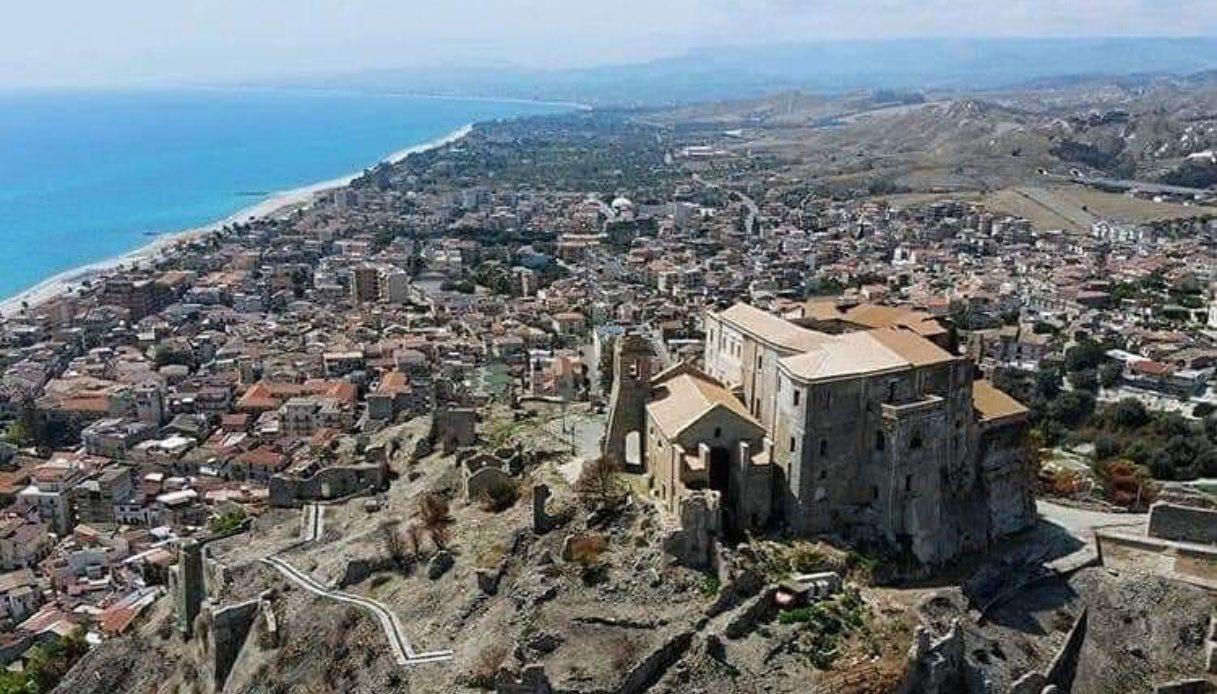
Gerace is a well preserved example of a typical medieval Calabrian city. From its vantage point on a hill, it is possible to view 60 km of coastline. Framed by the blue of the Ionian Sea and the intense green of olive trees, the hills extend to the slopes of the Aspromonte. At the Baglio, the highest part of town, the ruins of the manor afford magnificent views of the Gerace river valley. Winding down the ancient streets you encounter Gerace’s majestic cathedral and diocesan museum that exhibit’s several centuries of the cathedral’s treasures including spectacular Flemish tapestry. The small ancient church of San Giovanni Crisostomo is known as the “mother church” of all the Orthodox churches of Calabria. The church of San Francesco has a magnificent Baroque alter and housed the tomb of Prince Nicola Ruffo.


UPPER CAULONIA
Caulonia stands on a cliff 300 meters above sea level and contains a treasure trove of history. The “Deesis” a Byzantine fresco represents one of the few testimonies of the many centuries of Eastern monasticism in Southern Italy. Caulonia’s allies called “Venedi” contain noble palaces, marvelous churches and squares and is a virtual time machine. The ruins of a Norman castle with its rich legends has strategic points from which to admire breathtaking views of the whole town from every angle.


ROCCELLA JONICA
Known as the pearl of the Ionian Sea, the town’s ancient origins date back to the Greek colonization of the city of Amphisya. It was renamed Roccella in medieval times because of its location on a cliff that plunges to the Ionian Sea. Overlooking a gentle curve of the Costa dei Gelsomini, Roccella Ionica has been awarded the Blue Flag and other naturalistic awards for its pristine beach, crystalline waters and well organized marina. The rich and varied history of the town can be seen in the descent to the Via Marina where Egyptian porphyry columns discovered in the surrounding waters were located here in 1868. An interesting destination all year, Roccella Ionica is especially desirable in the summer because of the idyllic beaches and its hosting of the historic jazz festival, Mediterranean Noises.


MAMMOLA
MUSABA – An open air museum and park where art and nature blend and it is easy to get lost in a thousand colorful thoughts. Nik Spatari and his Dutch partner Hiske Maas, both internationally known artists, returned to Spartari’s homeland and settled on in the Torbuido valley southwest of the pretty village of Mammola. Mammola is home to the remains of the ancient monastic complex of Santa Barbara and in its abbey, known as the Calabrian Sistine Chapel, Spatari installed his “Jacobs Dream”, an extraordinary 3 dimensional painting of 2500 square feet. This park is a dynamic work in progress with sculpture, mosaics, a renovated old station and annexed art workshops that host artists from around the world.